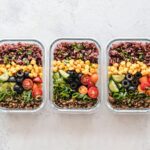
Thinking of starting a low-carb diet but feeling overwhelmed? You’re not alone. In 2026, low-carb eating remains popular among busy Americans for weight management, steady energy, better blood sugar control, and reduced cravings. The good news? You don’t need to go full keto or count every gram to see results.
This beginner-friendly guide explains what a low-carb diet is, what to eat (and avoid), a simple 7-day low-carb meal plan, grocery tips available at major US stores (Walmart, Costco, Kroger, Whole Foods, etc.), and practical advice to make it sustainable.
What Is a Low-Carb Diet?
A low-carb diet typically limits carbohydrates to 50–150 grams per day (about 10–30% of total calories), focusing instead on protein, healthy fats, and non-starchy vegetables.
- Standard Low-Carb: 50–150g carbs/day — flexible and sustainable for most beginners.
- Very Low-Carb / Keto: Under 50g carbs/day — pushes the body into ketosis (burning fat for fuel). Best after consulting a doctor.
Unlike restrictive fad diets, a well-planned low-carb approach emphasizes whole foods and can support weight loss, improved focus, and metabolic health when done right.
Important: Consult your doctor before starting, especially if you have diabetes, kidney issues, or take medications. Results vary by individual.
Foods to Eat and Avoid on a Low-Carb Diet
Foods to Enjoy Freely (Low in carbs, high in nutrients):
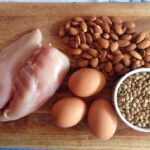
- Proteins: Eggs, chicken, turkey, beef, pork, fish (salmon, tuna, shrimp), bacon, sausage (check labels).
- Healthy Fats: Avocado, olive oil, butter, coconut oil, full-fat cheese, heavy cream, nuts (macadamia, almonds, walnuts in moderation).
- Non-Starchy Vegetables: Spinach, kale, broccoli, cauliflower, zucchini, asparagus, bell peppers, cucumber, leafy greens.
- Low-Carb Fruits (in moderation): Berries (strawberries, raspberries, blueberries), avocado, lemon.
- Dairy: Full-fat Greek yogurt, cheese, sour cream (unsweetened).
- Others: Herbs, spices, sugar-free condiments, dark chocolate (85%+ cocoa, small amounts).
Foods to Limit or Avoid:
- Grains: Bread, pasta, rice, oats, cereals.
- Starchy veggies: Potatoes, corn, peas.
- Sugary items: Soda, candy, juice, desserts.
- High-carb fruits: Bananas, grapes, apples (limit portions).
- Processed carbs: Chips, crackers, most packaged snacks.
Pro Tip for 2026: Shop the perimeter of the grocery store. Look for “keto-friendly” or “low-carb” labels on products like cauliflower rice, almond flour, and sugar-free items, which are widely available.
Easy 7-Day Low-Carb Meal Plan for Beginners (~50–100g Carbs/Day)
This sample plan keeps things simple, affordable, and delicious. Each day includes breakfast, lunch, dinner, and one snack. Adjust portions based on your calorie needs (aim for 1,500–2,200 calories depending on activity level). Net carbs are approximate.
Day 1
- Breakfast: Scrambled eggs with spinach, cheese, and avocado ( ~8g carbs)
- Lunch: Grilled chicken salad with mixed greens, cucumber, olive oil dressing (~10g)
- Dinner: Baked salmon with broccoli and butter (~8g)
- Snack: Handful of almonds or cheese stick (~3g)
Day 2
- Breakfast: Greek yogurt with a few raspberries and chopped walnuts (~12g)
- Lunch: Turkey lettuce wraps with cheese, mayo, and bell peppers (~8g)
- Dinner: Ground beef stir-fry with zucchini and cauliflower rice (~15g)
- Snack: Celery with peanut butter (natural, no sugar added) (~5g)
Day 3
- Breakfast: Omelet with bacon, cheese, and mushrooms (~6g)
- Lunch: Tuna salad with mayo, celery, and served over greens (~7g)
- Dinner: Grilled steak with asparagus and hollandaise sauce (~9g)
- Snack: Hard-boiled eggs (~1g)
Day 4
- Breakfast: Chia pudding made with heavy cream and a few berries (~10g)
- Lunch: Leftover steak salad (~10g)
- Dinner: Chicken thighs roasted with broccoli and olive oil (~12g)
- Snack: Pork rinds or cheese crisps (~2g)
Day 5
- Breakfast: Smoothie with avocado, spinach, protein powder (unsweetened), and almond milk (~8g)
- Lunch: Egg salad with mayo and served in lettuce cups (~6g)
- Dinner: Shrimp stir-fry with zucchini noodles (~14g)
- Snack: Full-fat cottage cheese (~4g)
Day 6
- Breakfast: Sausage and egg muffins (bake ahead) (~5g)
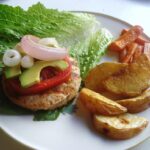
- Lunch: Bunless burger with cheese and side salad (~10g)
- Dinner: Baked pork chops with green beans (~11g)
- Snack: Olives or a few macadamia nuts (~3g)
Day 7
- Breakfast: Full-fat Greek yogurt with cinnamon and a sprinkle of nuts (~10g)
- Lunch: Leftover pork chop salad (~9g)
- Dinner: Cauliflower fried “rice” with eggs, bacon, and veggies (~15g)
- Snack: Sugar-free jerky or beef sticks (~2g)
Total Daily Carbs: Most days stay under 100g, making it beginner-friendly while allowing flexibility.
Grocery List Essentials for Beginners (USA 2026)
Stock these at any major supermarket:
- Proteins: Eggs, chicken thighs, ground beef, salmon, bacon.
- Veggies: Spinach, broccoli, cauliflower rice (fresh or frozen), zucchini, avocado.
- Fats: Olive oil, butter, cheese, heavy cream, almonds.
- Pantry: Herbs/spices, mayo (avocado oil preferred), sugar-free hot sauce or dressings.
Budget Tip: Buy in bulk at Costco or Sam’s Club. Frozen veggies and meats save money and time.
Beginner Tips for Success on a Low-Carb Diet
- Start Gradually — If you’re used to high-carb meals, reduce carbs over a week instead of cold turkey to minimize “keto flu” symptoms (fatigue, headaches — combat with electrolytes: salt, magnesium, potassium).
- Track at First — Use free apps like MyFitnessPal or Carb Manager to learn carb counts.
- Stay Hydrated — Drink plenty of water; add bone broth or electrolyte packets.
- Meal Prep — Cook proteins and veggies in batches on weekends.
- Handle Cravings — Reach for cheese, nuts, or berries instead of sweets. Sugar-free options have improved in 2026.
- Combine with Lifestyle — Pair with walking, strength training, and good sleep for better results.
- Sustainability — Once comfortable, experiment with recipes. Many Americans maintain a moderate low-carb lifestyle long-term rather than strict keto.
Potential Benefits and Considerations
Many beginners report easier weight loss, reduced hunger, and stable energy. However, results depend on overall calorie intake and consistency. Watch for nutrient gaps — include plenty of vegetables and consider a multivitamin if needed.
Low-Carb vs. Keto: Low-carb is more flexible for beginners. Move to keto only if you want faster ketosis and are ready for stricter tracking.
Final Thoughts
A low-carb diet plan for beginners can be simple, satisfying, and effective in 2026 without complicated rules. Focus on real foods, listen to your body, and adjust as you go. Start with the 7-day plan above, and within a week you’ll likely notice more energy and fewer cravings.
Ready to begin? Make your grocery list, prep a few meals, and take it one day at a time. For personalized advice, work with a registered dietitian.
Note: This is general information and not medical or nutritional advice. Carbohydrate needs vary by age, activity level, and health conditions. Always consult a healthcare professional before starting any new diet, especially if you have medical concerns. Nutritional values are approximate and can vary by ingredients and preparation.