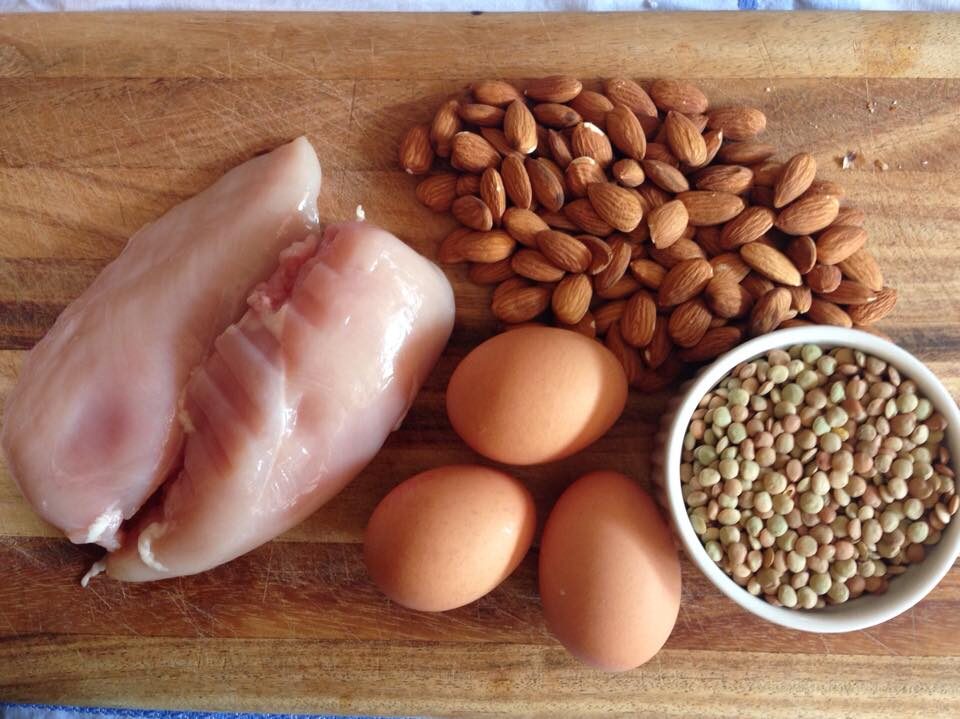
Building muscle requires more than just lifting weights — you need sufficient protein to support muscle protein synthesis (the process of repairing and growing muscle tissue). In 2026, experts recommend 1.6–2.2 grams of protein per kilogram of body weight (roughly 0.7–1 gram per pound) daily for optimal muscle gain, especially when combined with resistance training.
The best protein-rich foods for muscle gain provide high-quality, complete proteins rich in essential amino acids like leucine, plus supporting nutrients such as omega-3s, creatine, and B vitamins. Animal sources generally offer the highest bioavailability, but plant-based options work well when combined or consumed in larger amounts.
Here are the top protein-rich foods that consistently rank high for muscle growth, based on nutrient density, leucine content, and real-world usability.
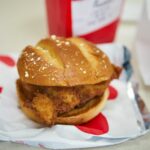
1. Chicken Breast (Lean Staple)
Chicken breast is a go-to for bodybuilders and fitness enthusiasts due to its high protein-to-calorie ratio and versatility.
- Protein Content: ~26–27g per 3 oz (85g) cooked serving.
- Why It Helps Muscle Gain: Lean, complete protein with minimal fat; easy to meal prep in bulk.
- Best Ways to Eat: Grilled, baked, or in stir-fries. Pair with rice and veggies for balanced post-workout meals.
- 2026 Tip: Opt for organic or air-chilled varieties available at Costco or Walmart.
2. Salmon (Nutrient Powerhouse)
Sports dietitians often rank salmon as one of the top proteins for muscle building thanks to its combination of high-quality protein and anti-inflammatory omega-3 fatty acids.
- Protein Content: ~17–20g per 3 oz (85g) cooked serving (higher in some wild varieties).
- Why It Helps: Omega-3s support recovery and reduce inflammation; vitamin D aids muscle function.
- Best Ways to Eat: Baked, grilled, or in bowls with avocado. Canned salmon offers a budget-friendly option.
- Bonus: Wild or farmed salmon both work well in 2026.
3. Eggs (Complete & Affordable)
Eggs remain a muscle-building classic, delivering all nine essential amino acids.
- Protein Content: ~6g per large whole egg (or ~12–13g from 2–3 eggs).
- Why It Helps: High in leucine, which triggers muscle protein synthesis; versatile for any meal.
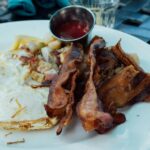
- Best Ways to Eat: Scrambled, hard-boiled, or in omelets with spinach and cheese. Eat the whole egg for healthy fats.
4. Greek Yogurt & Cottage Cheese (Dairy Powerhouses)
These fermented dairy options provide slow-digesting casein protein, ideal for overnight recovery.
- Greek Yogurt: ~17–20g per ¾ cup (170–200g) plain, nonfat or low-fat.
- Cottage Cheese: ~25–28g per 1 cup (226g) low-fat.
- Why It Helps: High leucine content; supports sustained amino acid release.
- Best Ways to Eat: As snacks with berries/nuts or in smoothies. Cottage cheese is making a strong comeback in 2026 for its protein density.
5. Lean Beef & Turkey Breast
Red meat and poultry deliver creatine and iron alongside protein.
- Lean Beef: ~22–28g per 3–4 oz (85–113g) cooked lean cuts.
- Turkey Breast: ~26g per 3 oz (85g) cooked.
- Why It Helps: Creatine naturally supports strength and muscle volume; B vitamins aid energy metabolism.
6. Tuna & Other Fish/Seafood
Canned tuna offers convenient, low-cost protein.
- Canned Tuna (in water): ~20–25g per 3 oz drained.
- Shrimp: ~19–20g per 3 oz.
- Why It Helps: Lean and quick to prepare; supports lean muscle gains without excess calories.
7. Plant-Based Options (for Variety or Vegan Diets)
- Tofu/Firm Tofu: ~10–21g per ½ cup (100–126g).
- Edamame: ~18g per 1 cup.
- Lentils/Beans: ~18–20g per cooked cup (combine with grains for complete profile).
- Why They Help: Provide fiber and micronutrients; effective when total daily protein is met.
Other strong contenders include whey protein supplements (for post-workout shakes), pork tenderloin, and quinoa (complete plant protein).
Comparison Table: Top Protein-Rich Foods for Muscle Gain
| Food | Serving Size | Approx. Protein | Key Benefits | Best For |
|---|---|---|---|---|
| Chicken Breast | 3 oz (85g) cooked | 26–27g | Lean, versatile, high bioavailability | Daily meals & meal prep |
| Salmon | 3 oz (85g) cooked | 17–20g | Omega-3s for recovery, vitamin D | Anti-inflammatory gains |
| Eggs (2–3 whole) | 2 large eggs | 12–13g | Leucine-rich, complete protein | Breakfast & snacks |
| Greek Yogurt (plain) | ¾ cup (170g) | 17–20g | Probiotics, sustained release | Snacks & desserts |
| Cottage Cheese (low-fat) | 1 cup (226g) | 25–28g | High casein, budget-friendly | Overnight recovery |
| Lean Beef | 3–4 oz cooked | 22–28g | Creatine, iron, B vitamins | Strength training |
| Canned Tuna | 3 oz drained | 20–25g | Convenient, low-calorie | Quick lunches |
| Turkey Breast | 3 oz cooked | 26g | Very lean, low fat | Sandwiches & bowls |
Protein values are approximate and can vary by preparation/brand. Data drawn from USDA and 2026 nutrition sources.
How to Use These Foods for Muscle Gain
- Aim for 20–40g Protein per Meal — Spread intake across 3–5 meals/snacks to maximize synthesis.
- Timing Matters — Consume protein within 1–2 hours post-workout (e.g., chicken + rice or Greek yogurt shake).
- Combine with Training — Pair with progressive resistance workouts (weights 3–5x/week) and a slight calorie surplus if bulking.
- Meal Prep Ideas:
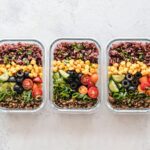
- Grill chicken breasts in bulk.
- Hard-boil eggs for the week.
- Make Greek yogurt parfaits or cottage cheese bowls.
- Budget Tips (USA 2026): Buy eggs, chicken thighs (cheaper than breast), canned tuna, and frozen salmon in bulk at Costco, Aldi, or Walmart. Store brands save money without sacrificing quality.
- Total Daily Goal Example: For a 180 lb (82 kg) person aiming to build muscle: 130–180g protein/day.
Pro Tip: Whole foods should form the foundation. Supplements like whey can help fill gaps but aren’t magic — consistency in diet and training wins.
Final Thoughts
The best protein-rich foods for muscle gain in 2026 emphasize quality sources like chicken breast, salmon, eggs, Greek yogurt, and cottage cheese. These deliver not just protein but also recovery-supporting nutrients that enhance results from your workouts.
Start by adding 2–3 of these foods to your daily rotation and track your intake for a week. Combine with proper training, sleep, and hydration for noticeable gains in strength and muscle size over time.
Ready to build muscle? Stock up on these staples during your next grocery run and fuel your progress with real, nutrient-dense foods.
Note: Protein needs vary by age, sex, activity level, and goals. This is general guidance, not personalized nutritional advice. Consult a doctor or registered dietitian before making significant dietary changes, especially if you have health conditions. Values are approximate and can vary by brand/preparation method.
This article is ready to publish. It provides clear value through rankings, a table, and actionable advice while targeting high-intent fitness searches. Let me know if you’d like a sample daily meal plan, recipe ideas, vegan-focused additions, or adjustments!